Non structural building maintenance and repairs

- HVAC Systems
- Carpentry
- Remodelling & Creating new spaces
- Interior Finishes and Fixtures
- Doors and Windows
We specialise in non-structural building maintenance and repairs. They are integral aspects of preserving the functionality, safety, and aesthetic appeal of constructed spaces. While structural components ensure the stability of a building, non-structural elements encompass a diverse range of features that require regular upkeep and occasional repairs.
Non structural building maintenance and repairs
Non-structural building maintenance and repairs are essential for sustaining the built environment. These practices address a diverse range of elements, from essential systems like HVAC and plumbing to aesthetic features such as interior finishes and lighting. Regular maintenance and timely repairs contribute to the longevity, safety, and functionality of buildings, ensuring that they continue to serve their occupants effectively while preserving their aesthetic appeal.
Non-Structural Building Maintenance:
- HVAC Systems Maintenance: Heating, ventilation, and air conditioning (HVAC) systems are critical for maintaining indoor comfort and air quality. Regular maintenance involves tasks such as cleaning filters, checking for leaks, and ensuring proper functionality. Well-maintained HVAC systems enhance energy efficiency, reduce utility costs, and contribute to a healthier indoor environment.
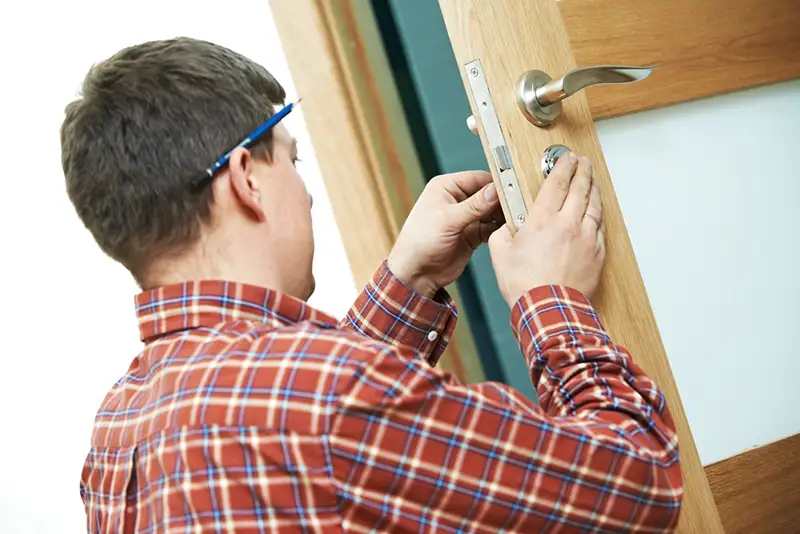
- Carpentry: A handyman carpenter typically handles a range of tasks, including basic carpentry work such as repairing or installing cabinets, shelves, and doors. They may also tackle minor repairs to wooden structures, furniture assembly, and other general maintenance jobs that require carpentry skills.
- Remodelling & Creating New Spaces: Remodeling involves altering the structure or form of an existing space to improve its functionality or aesthetics. This can include changing layouts, adding or removing walls, updating fixtures, and upgrading finishes.
Creating new spaces involves constructing entirely new areas within a property. This could mean building additions to existing structures or converting unused spaces such as attics or basements into livable areas. - Interior Finishes and Fixtures: Maintaining the aesthetic appeal of interior spaces involves caring for non-structural elements such as flooring, wall finishes, and fixtures. Regular cleaning, repair, and replacement of worn-out or damaged finishes contribute to a visually pleasing and well-maintained environment. This upkeep enhances the overall occupant experience and preserves the value of the property.
- Doors and Windows Maintenance: Non-structural maintenance of doors and windows ensures proper functionality, security, and energy efficiency. Lubricating hinges, inspecting seals, and repairing or replacing damaged components contribute to the longevity of these elements. Well-maintained doors and windows also play a crucial role in maintaining indoor climate control.
Non-Structural Building Repairs:
- Painting and Wall Repairs: Over time, walls and painted surfaces may experience wear and damage. Non-structural repairs involve patching holes, addressing cracks, and repainting to maintain a fresh and well-maintained appearance. These repairs contribute to the overall aesthetics of the interior and exterior spaces.
- Flooring Repairs: Non-structural repairs of flooring encompass fixing damaged tiles, addressing scratches, and repairing any uneven surfaces. Proper flooring repairs not only enhance the visual appeal of the space but also contribute to safety and comfort for occupants.
- Cabinet and Fixture Repairs: Cabinets, shelves, and other fixtures in buildings may require occasional repairs to address issues such as loose hinges, broken handles, or damaged surfaces. These non-structural repairs contribute to the functionality and overall organization of interior spaces.
- Exterior Façade Repairs: The exterior façade of a building is exposed to weather elements and may require occasional repairs to address issues like peeling paint, damaged siding, or deteriorating finishes. Non-structural façade repairs contribute to the building’s curb appeal and protect it from external damage.
- Lighting Fixture Repairs: Non-structural repairs of lighting fixtures involve fixing or replacing bulbs, repairing wiring issues, and ensuring proper illumination. Well-maintained lighting contributes to both the functionality and ambiance of indoor and outdoor spaces.